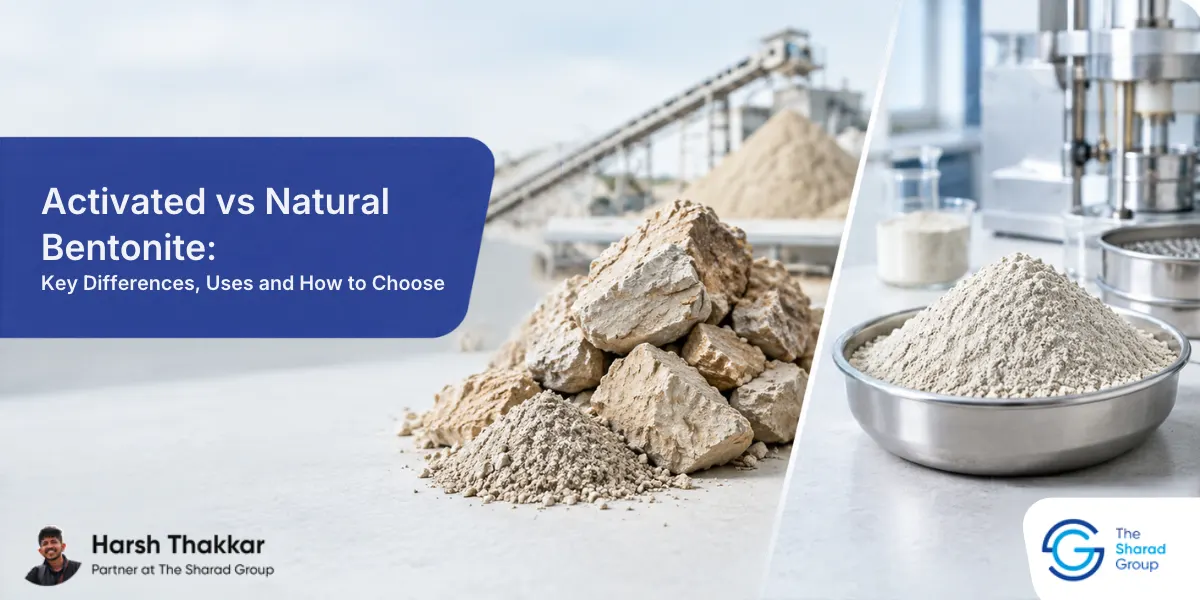
People ask us for “bentonite” like it’s one thing you tip out of a bag. It isn’t. The first fork in the road is whether you want it raw from the ground or activated in a plant.
We mine natural bentonite at The Sharad Group, so we see that choice play out both ways. Get it wrong and it bites both ways, you’ve overpaid for muscle you didn’t need, or starved the job of grip.
So let’s keep this simple. What is the raw clay, what does activation really do to it, and which one should you actually buy? That’s the whole blog.
What Natural Bentonite Actually Is
Natural bentonite is clay the way the mine hands it over. We dry it, crush it down, screen it to grade, and that’s the whole process. Nobody’s near it with a chemistry set.
Strip the name back and it’s mostly one mineral, montmorillonite, and that’s what gives bentonite its swell and its pull. If you want the full breakdown, we laid it out in bentonite composition.
Two to know. One is sodium bentonite, swells hard and holds water, so it’s for seals and drilling. The other is calcium bentonite, the cream-to-yellow Fuller’s earth that barely swells but adsorbs like a sponge.
Activated Bentonite Clay: The Same Clay, Woken Up
Activated bentonite clay isn’t a different mineral at all. It’s the same clay we dig, only somebody’s put it through a treatment after the mine to sharpen its appetite.
If natural clay is willing, activated clay is ravenous. Activation blows the internal surface wide open and strips out what was clogging the pores, so the clay grabs far more, far faster.
That extra grip isn’t free. You pay for the processing, and you lose a little of the clay to the treatment, which is why nobody activates bentonite they don’t have to.
Inside the Bentonite Activation Process
There are two ways to run the bentonite activation process, and they don’t aim at the same thing. One uses acid, the other uses heat.
Acid activation’s the one you meet most. The clay bathes in a mineral acid, usually sulfuric, that eats impurities out and opens the surface wide. The result adsorbs hard, and it’s the backbone of most decolorizing grades.
Thermal activation skips the acid, baking the clay instead. You get no acidic residue, which suits food and pharma, but it’s gentler, so you dose more. Acid for punch, heat for a cleaner profile, that’s the rule.
Activated Bleaching Earth and Where It Ends Up
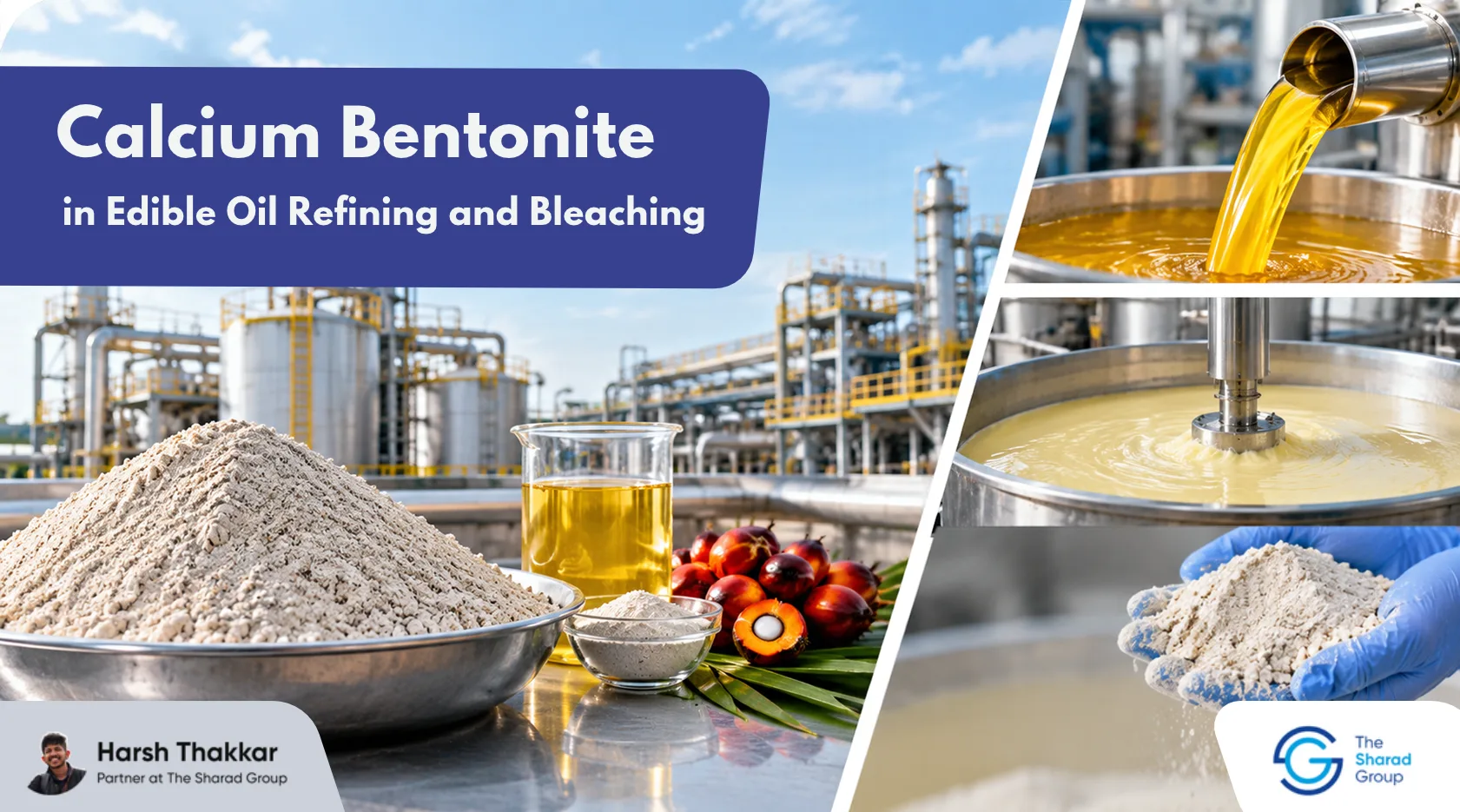
The biggest home for activated clay is activated bleaching earth, the grade that’s used to clean edible oils. Refiners use it to strip color, trace metal, and the junk that makes oil go off.
It shows up elsewhere too. Spent motor oil re-refining, some catalysts, water polishing, anywhere a cheap, heavy-duty adsorbent earns its place.
None of this is clay we sell finished, and we won’t pretend otherwise. What we sell is the natural clay those activated grades are made from, before anyone reaches for the acid.
Where Natural Bentonite Clay Earns Its Keep
Plenty of jobs don’t need activation at all. Natural bentonite clay does the work on its own, and that’s where most of our tonnage goes.
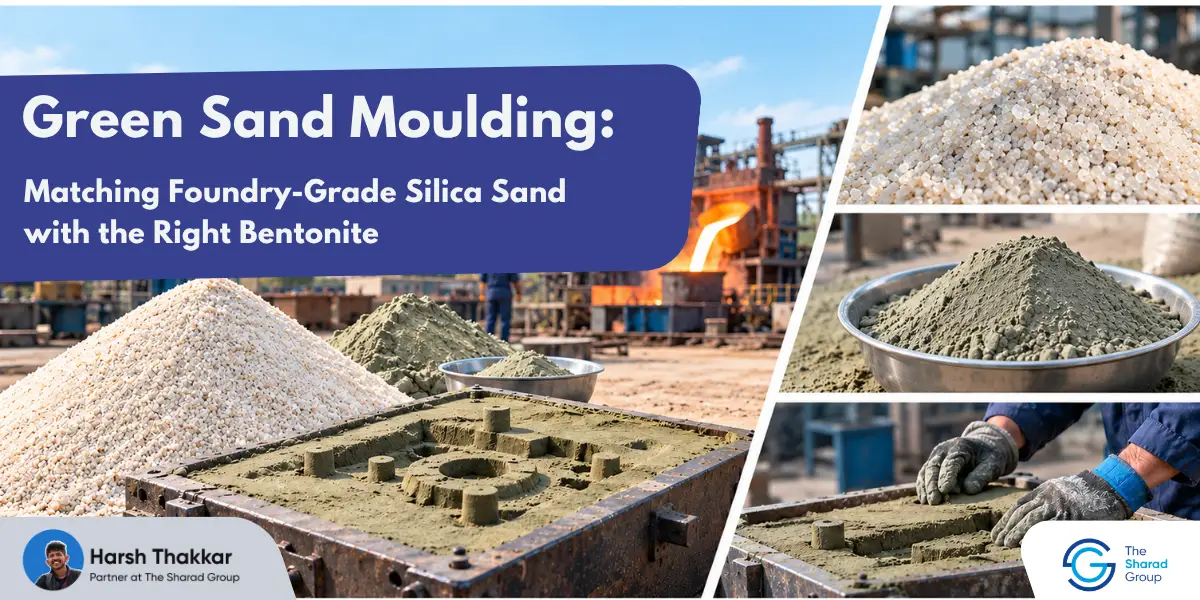
On the sodium side, it lines ponds and canals, and bodies up drilling mud. It also fills piling slurry on site, swelling up and locking tight. Foundries lean on it too, the bond that holds a sand mould together.
Calcium bentonite takes the quieter roles. It binds animal feed, fills cat litter, pelletizes iron ore, and cleans oil off a factory floor.
The yellow calcium grade is a workhorse in its own right. We get into how to pick it in our note on being a yellow calcium bentonite supplier.
Activated vs Natural Bentonite: The Differences That Matter
Forget the chemistry for a second. When it’s time to choose, what decides it is how much grip you need, how clean it has to be, what you’ll spend, and whether the extra power earns its place.
On grip, activated wins outright. Its surface area and adsorption leave natural clay standing, which is the whole point of activating it. Natural holds its own on swelling and sealing, jobs activation does nothing for.
On cost, natural wins just as clearly. It’s cheaper to make and buy, since you’re not paying for acid, energy, and lost yield. The honest answer to “which is better” is neither, it’s whichever the job needs.
How to Choose, and What to Ask Bentonite Suppliers
Start from the job, never from the clay. Write down what the material has to do, swell, seal, bond, adsorb, decolorize, and the answer usually picks itself.
Sealing, bonding or drilling, you want natural, and grade matters more than label. If the job is decolorizing or stripping oil, you’re in activated country, and surface area rules. Line the clay up to the job and overpaying stops.
Then press the supplier. The bentonite suppliers worth buying from put certifications in front of you, ISO 9001:2015, API 13A if you’re drilling.
They’ll hand over real samples and talk straight about swelling, viscosity and purity. We keep the full checklist on our bentonite suppliers page.
Natural Bentonite, Mined and Tested in Gujarat
This is our end of it. We mine our bentonite in Gujarat, both the sodium and calcium grades, and we process it to foundry, drilling, piling, pet-care and farm specs. Yellow calcium included.
What we don’t do is sell you activation you don’t need. If a natural grade does the job, that’s what we’ll quote.
Need a genuinely activated feed instead? We’ll say so, and point you to the right base clay.
Tell us the application and the volume. Contact Us and we’ll match you to a grade that actually fits.
Frequently Asked Questions
What is natural bentonite?
It’s bentonite clay used just as it comes from the mine, only dried, crushed and screened. The bulk of it is montmorillonite, and it turns up as sodium bentonite, which swells, or calcium bentonite, which adsorbs.
What is activated bentonite clay?
It’s natural clay that’s been treated, usually with acid, to open up its surface and sharpen how much it can adsorb. The treatment makes it far more active, and more expensive.
What is the bentonite activation process?
It’s either an acid wash, normally with sulfuric acid, or a high-heat roast. Acid activation gives the strongest adsorption, while thermal activation leaves no acidic residue but needs a higher dose.
What’s the difference between activated and natural bentonite?
Activated bentonite adsorbs much harder thanks to its bigger surface area, so it suits decolorizing and oil cleaning. The natural grade is cheaper and better for swelling, sealing, bonding and drilling.
Is activated bentonite better than natural bentonite?
Neither is better overall, it depends on the job. Activation only helps adsorption tasks, so for sealing or bonding it’s wasted money, and you should match the clay to the application.
What is activated bleaching earth?
It’s acid-activated calcium bentonite used to clean edible oils, pulling out color, trace metals and oxidation products. It’s the single largest use of activated clay.
What are the main uses of natural bentonite clay?
Sodium grades go into pond sealing, drilling mud, piling slurry and foundry sand bonding. Calcium grades handle animal feed, cat litter, iron ore pelletizing and agriculture.
How do I choose between bentonite suppliers?
Start from your application, then check certifications like ISO 9001:2015 or API 13A, ask for samples to test in your own lab, and confirm they can hold grade batch to batch. Buying near the deposit keeps the clay consistent.